Student & Early Career
Careers in RSE: Experiences from Research Software Engineers Across Industry, Academia, and Laboratories
Monday, October 19 · – · San Jose Ballroom Salon 3 & 4
This panel session will delve into the nuances in Research Software Engineers’ experiences across industry, academia, and laboratories, focusing on how each environment shapes funding, benefits, daily work, and career trajectories. Panelists will give brief introductions and then respond to guided questions, followed by an open Q&A. Designed with students and early-career RSEs in mind, the session is open to all.
Panelists:
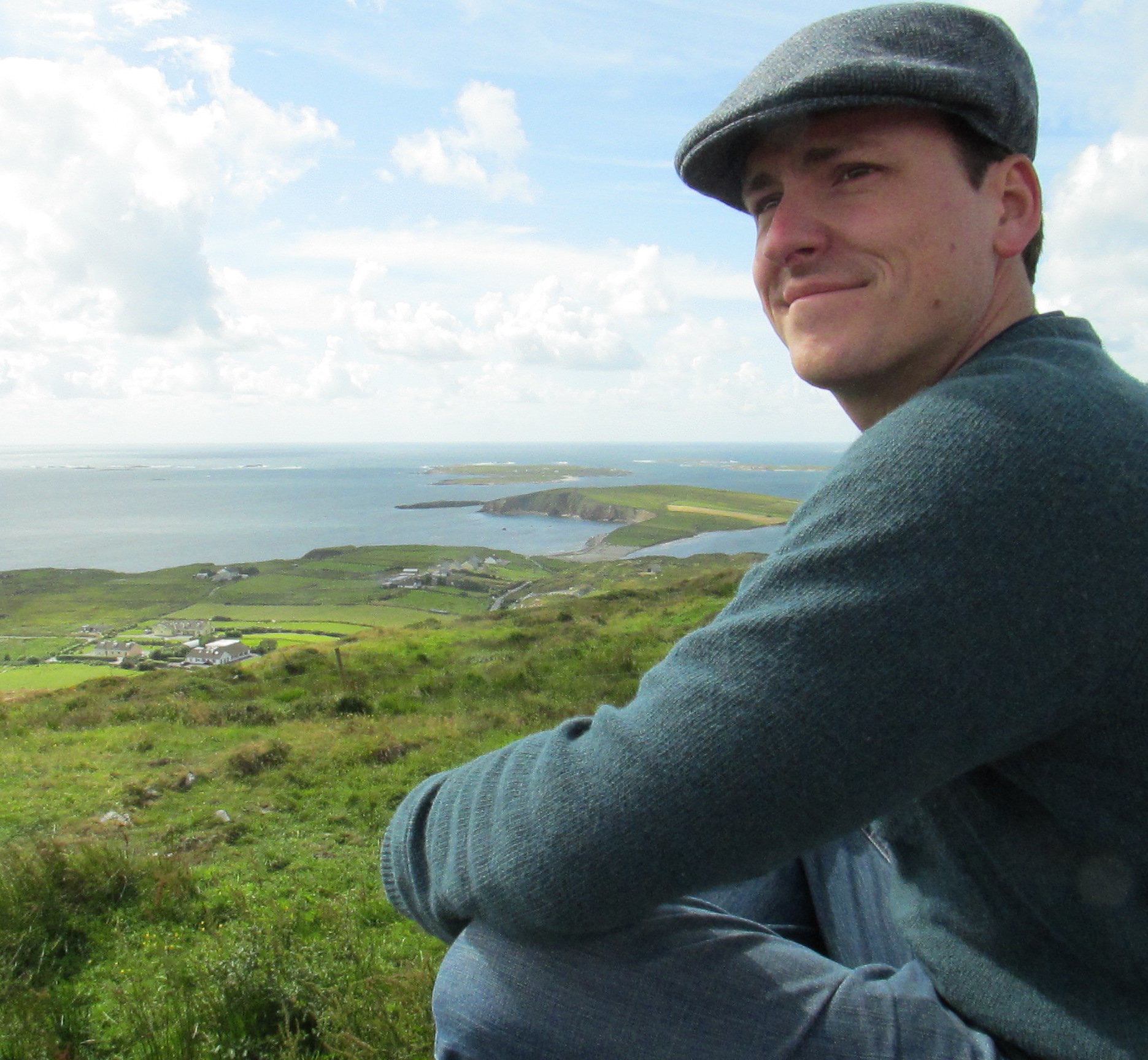 Blake Joyce
Principal Consultant
Blake has a background spanning functional genomics, bioinformatics, and cyberinfrastructure, with a particular focus on organizational and technical challenges of scaling research computing to meet evolving scientific demand. At BioTeam, Blake has led teams to design hybrid HPC/cloud infrastructure roadmap and implementation plans for three of the U.S. News & World Report Top 5 Cancer Hospitals, the NIH, and several multinational biopharmaceutical companies. Before BioTeam, Blake was the Data Science Manager at the University of Alabama at Birmingham, and the Assistant Director of Research Computing at the University of Arizona where his team built, operated, and supported HPC, cloud, and data storage platforms for 2,250+ active researchers in 725 labs across 105 departments.
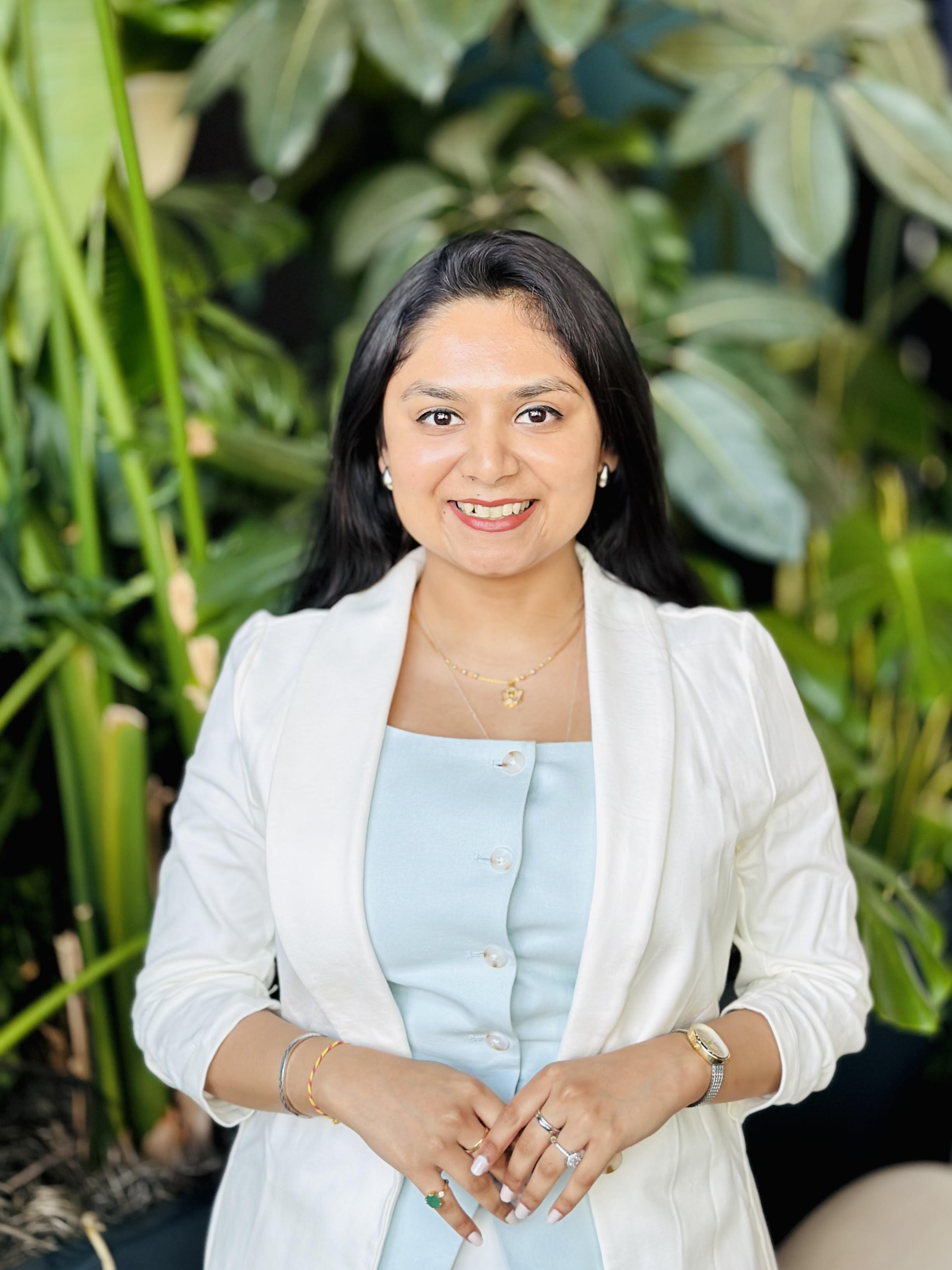 Hasti Mehta
Senior Associate, Data and AI Technology Advisory, Aprio
Hasti Mehta is a Senior Associate in Data and AI Technology Advisory at Aprio, where she helps organizations develop AI strategy, deploy AI solutions, and manage AI costs, and is helping lead the firm’s new Data and AI hub in Chicago. She co-authored Aprio’s research on AI token cost management. Her background spans applied AI/ML, multi-agent systems, NLP pipelines, and transportation engineering, with prior roles at the UIC AI Lab, Discovery Partners Institute, and the Illinois Department of Transportation.
Hasti has presented at the NAIRR Conference and United Nations Headquarters and has published research across transportation, healthcare, and FinTech. She holds an MS in Computer Science with an AI/ML specialization from the University of Illinois Chicago.
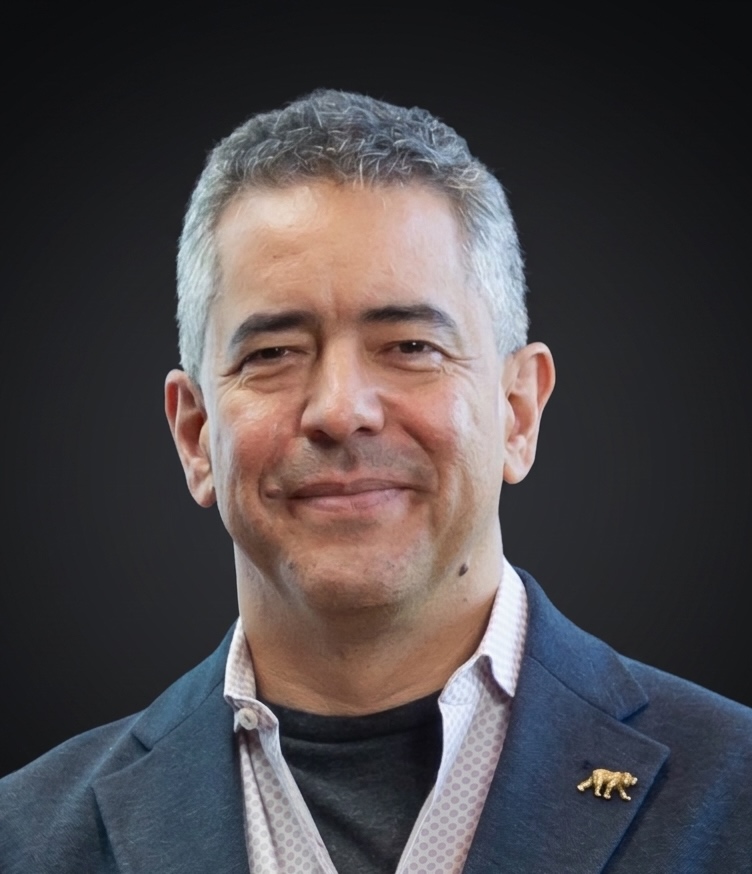 Fernando Perez
Associate Professor, Statistics; Faculty Scientist, Lawrence Berkeley National Laboratory; Faculty Director, Berkeley Institute for Data Science (BIDS); Co-Director, Eric and Wendy Schmidt Center for Data Science & Environment (DSE), UC Berkeley
Fernando Pérez is faculty at UC Berkeley Statistics and a scientist at LBNL. Trained in physics, he builds open tools for science and education; he created IPython and co-founded Project Jupyter. His research focuses on open, reproducible science and scientific uses of AI for problems in earth and the environment, and biomedicine. He directs the Berkeley Institute for Data Science (BIDS) and co-directs the Eric and Wendy Schmidt Data Science & Environment Center (DSE). He co-founded 2i2c.org and NumFOCUS.
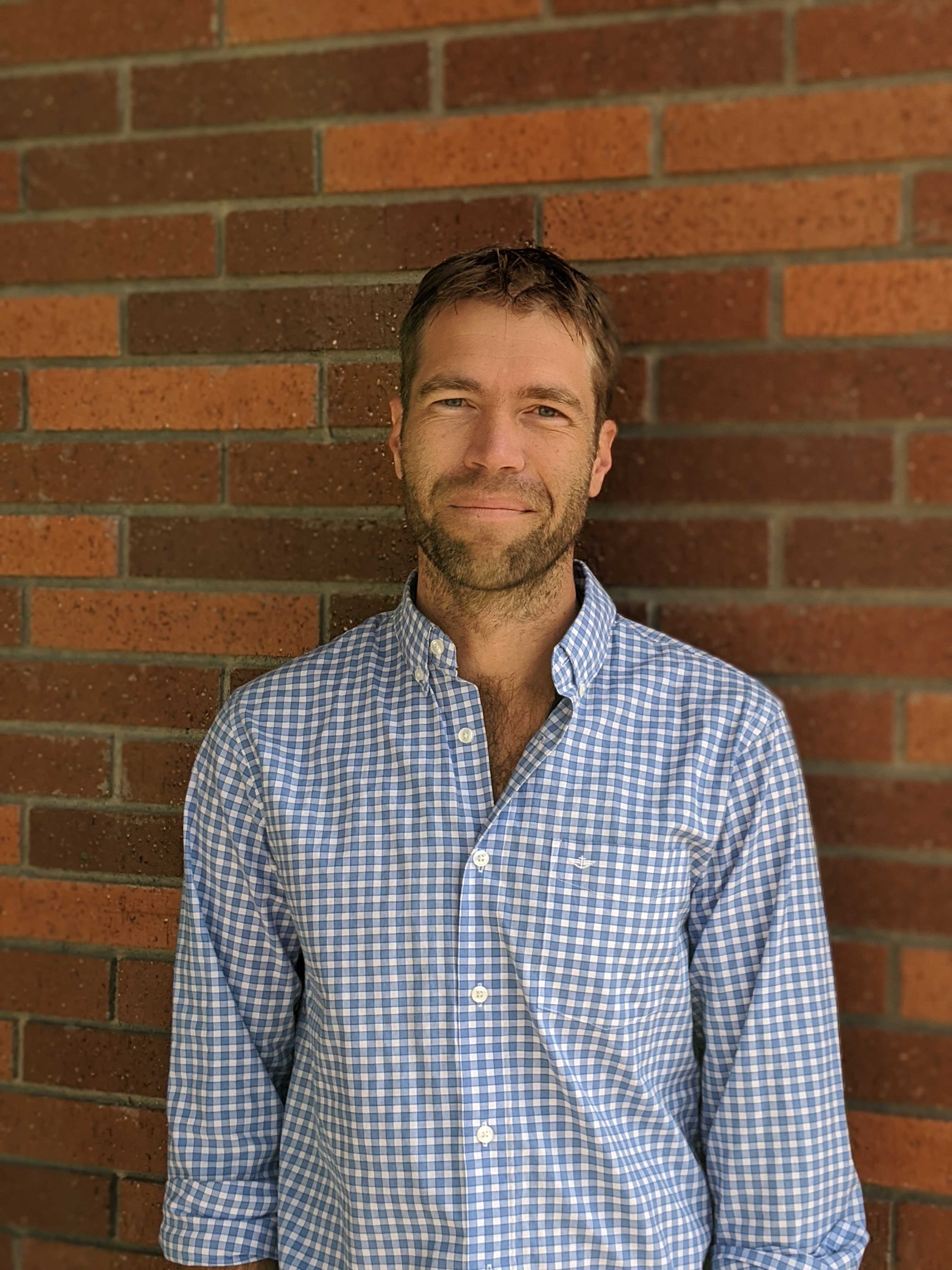 Julian Pistorius
Indiana University, Research Bazaar Arizona, and Exosphere Project
Helping researchers has been Julian’s vocation and avocation for more than a decade. Before that he worked as a software engineer in startups and enterprises. Currently he works at IU supporting researchers using internal cloud platforms as well as those using Jetstream2 - an NSF research cloud. He serves as one of the maintainers of Exosphere, an open-source user interface for cloud computing.
He is a regular at the weekly events of Research Bazaar Arizona, a grassroots community of practice for researchers, engineers, and data scientists in the Tucson area, which he co-founded in 2016 with Blake Joyce PhD (also on the panel.)
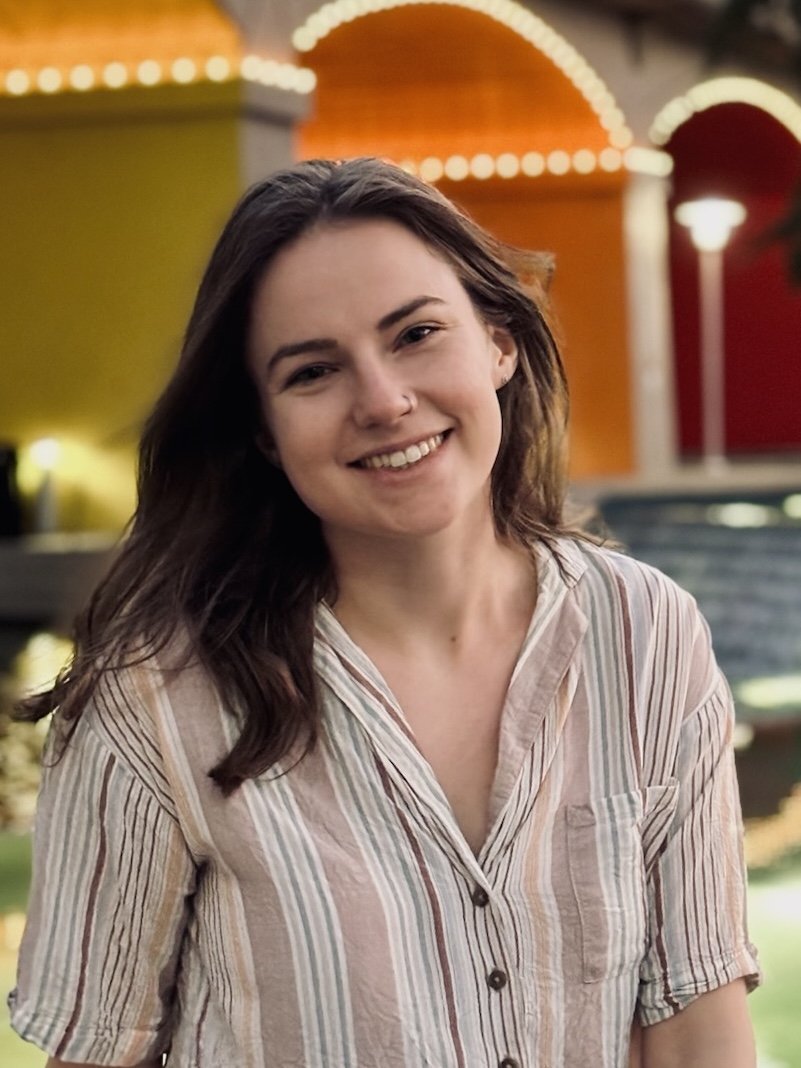 Suzanne Prentice
Oak Ridge National Laboratory
Suzanne Prentice is a Software Engineer at Oak Ridge National Laboratory’s Leadership Computing Facility, the OLCF, where researchers from around the world apply for time on some of the largest HPC systems. Suzanne works on the center’s resource allocation tracking system, self-service portal, and recently in response to emerging agentic scientific workloads the OLCF’s new Secure Scientific Service Mesh (S3M), a facility managed gateway to a wide range of API services that can be used to interact with the HPC systems and resources programmatically. Lastly, she has also been helping to develop software for the American Science Cloud in support of the Department of Energy’s Genesis AI Mission.
 Alec Scott
Lawrence Livermore National Laboratory
Alec Scott is a computer scientist at Lawrence Livermore National Laboratory (LLNL), where he works on the Spack package manager, tooling for reproducible development environments, and continuous integration systems for HPC workflows. As part of his focus on continuous integration, Alec leads the Hubcast project at LLNL, building secure CI/CD systems to integrate open-source projects with flagship HPC computing capabilities. Before joining LLNL in 2022, Alec worked extensively with container technologies, distributed file systems, and massively parallel simulations.
USRSE'26 Mentor/Mentee Lunch
Monday, October 19 · – · San Jose Marriott
Join us for a mentor-mentee lunch connecting experienced mentors with students and early career attendees looking to grow in their careers. Grab a plate, find your seat at one of our reserved tables, and dive into candid conversations about navigating RSE career paths and lessons learned along the way. Advanced sign-ups required during registration, we will connect the mentor-mentee pairs just before the conference. This lunch is also for Mentorship Program participants as an opportunity to meet at the conference.
Agents on a Ramen Budget: Token-Smart Agentic Workflows with Local Models
Julian Pistorus
Tuesday, October 20 · – · San Jose Ballroom Salon 3 & 4
Tuesday 10/20
10:30 - 11:00
Running an agent locally means no API bill, but you pay in context windows, VRAM, and wall-clock time, so every token still counts. This talk covers practical ways to get useful agentic behavior from small local models on your own hardware: trimming context, choosing the right model size and quantization, and designing tool calls and prompts that don’t waste tokens.
Tokens Are the New Compute Hours: Managing Commercial AI Costs on a Student Budget
Hasti Mehta
Tuesday, October 20 · – · San Jose Ballroom Salon 3 & 4
Tuesday 10/20
11:00 - 11:30
Agentic frameworks built on commercial models can turn a single task into dozens of billable calls, which is why falling per token prices have not stopped bills from climbing. This talk adapts a practical cost management framework (visibility, then attribution, then optimization) to show students how to track their token spend, match each task to the right model through routing and caching, and get real work done with commercial AI on a student budget.